a very british utopia
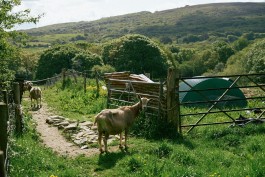
a generation has grown up watching the idea of owning a home recede out of reach, every year more people in britain are making the same quiet decision: to stop paying rent on a life that doesn't feel like their own, and to build something for themselves instead.
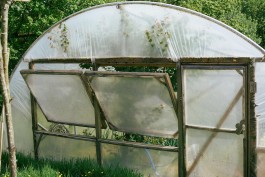
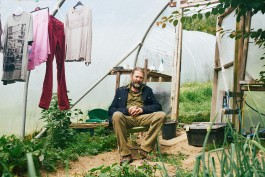
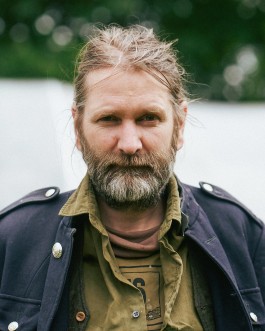
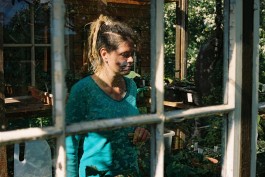
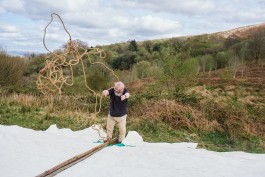
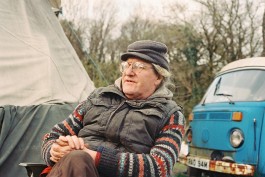
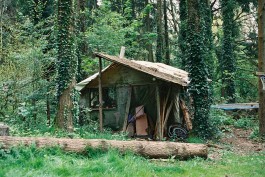
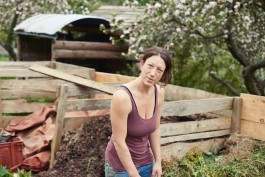
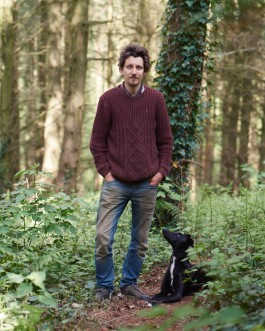
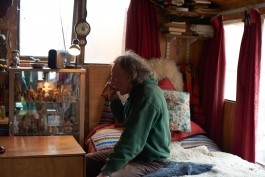
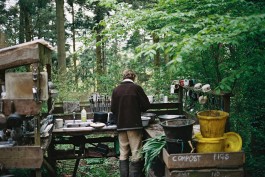
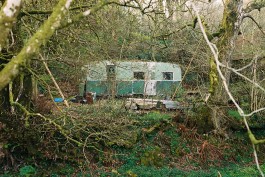
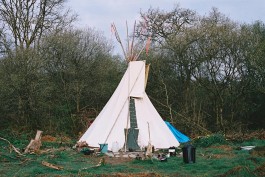
i spent two years amongst britain's off-grid communities — photographing the people i met, the houses they had built by hand, the food they had grown, and experiencing the kind of freedom you can only earn by walking away.
this is what i found.

I first became interested in off-grid living a few years ago while photographing people in the American desert. I’d spent months drifting through the Southwest, meeting people who had ended up there for all kinds of reasons. Some were escaping something. others were searching for something. What stayed was the thread that connected them all. A quiet rejection of the conventional world, and a stubborn belief that life could be lived differently.
When I came back to the UK Â I wondered if this same spirit had manifested itself in the same way and began my search.
I didn’t have to look far. House prices have been climbing for so long now that an entire generation has grown up watching the idea of home slowly disappear into the distance. And in response, there’s been a quiet exodus of people leaving the big cities, some finding cheap land where they can, and trying to build lives outside the life of mortgages, rent and the forty-hour week.
The people I met weren’t anti-society. If anything, they were trying to renegotiate their relationship with it. Some had simply been priced out and had nowhere else to go. Others had walked away from successful careers because, somewhere along the line, the life they were living had stopped making sense to them.
What surprised me most was how long this world had already existed beneath the surface. Some of the communities I visited had been quietly working the land for forty of fifty years -  some of them born out of the hippy movement of the 1960’s. For decades they existed in a grey area, often fighting planning laws or staying deliberately invisible. But more recently, particularly in Wales, policies like the One Planet Development framework have started to give these communities a legitimacy they were denied for years — provided they can prove the lives they’ve built are genuinely sustainable.

"I CAME HERE TO LIVE IN A WAY I KNEW I COULD BELIEVE IN"

the communities I visited were completely different from one another, but the people within them shared something unmistakable: a freethinking, deeply principled way of life. A real commitment — not just ideological, but daily and practical — to living in a way that placed community and the health of the environment above material possesions.
Everyone had their own story about how they ended up there, most of those stories seemed to circle around the same two desires: the chance to live somewhere beautiful that the conventional economy could no longer offer them, and the search for a more meaningful sense of community.
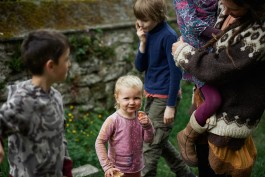
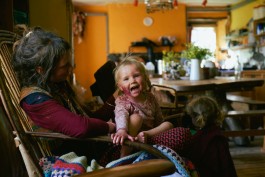
And that sense of community was real. Everyone knew each other. Everyone helped each other out. Children moved freely between homes as if the whole place belonged to them. It felt less like modern Britain and more like something older — something closer to a tribe than a suburb.
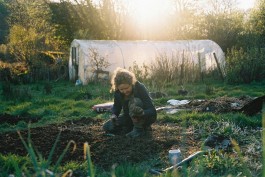
The other thing that kept striking me, in a way I hadn’t expected, was how conscious people were of their footprint — on the soil, on the water, on the landscape immediately around them. It’s easier to think carefully about waste when you can’t just drag a bin to the curb and forget about it. Easier to value food when most of it has travelled no further than the distance you walked to collect it. The people I met spoke about the planet less like an abstract cause and more like a neighbour they lived alongside.
These communities are still small, and some still look a little rough around the edges. But I don’t think the instinct behind them is going anywhere. The people I met weren’t trying to retreat from the modern world entirely. Most were simply trying to build lives that felt more connected — to the land around them, to the people beside them, and to the consequences of the way they lived.
And maybe that’s why these places feel important. Not because they offer a perfect blueprint for the future, but because they quietly suggest that another way of living is possible. Something slower, more communal, more conscious of the world around us. The future, if we’re lucky, may end up looking something like a compromise between the world these people have already built and the one the rest of us are still clinging to.

"abandon profit for something more beautiful"


"IT'S AGAINST THE LAW TO BE POOR IN THIS COUNTRY"

"as soon as i got here i knew i'd found my homeland"


"SMALL STEPS - IT'S VERY DIFFICULT TO TAKE THE LEAP"


"THE GREEN MOVEMENT WAS LAUGHED AT AS BEING TOTAL CRACKPOTS, 30 YEARS ON IT'S MAINSTREAM"


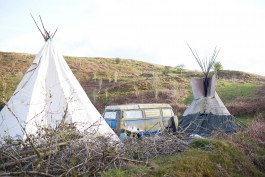
"TIPI'S HAVE A VERY STRONG MAGIC, YOU LIVE LIKE YOUR ANCESTORS DID FOR THOUSANDS OF YEARS"
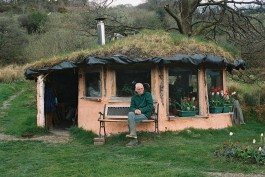
"YOU'VE HEARD OF BIODEGRADABLE CARRIER BAGS, THIS IS A BIODEGRADABLE HOME"


"THE FIRST HOUSE I MADE COST 50 PENCE TO BUILD"

"WHEN I CAME HERE I BECAME PART OF NATURE- INSTEAD OF TRYING TO CONTROL IT"


"we are in many respects asleep"


"it's a matter of response of your spirit to the universe"


"NATURE HAS BECOME A SORT OF NOVEL EXHIBIT RATHER THAN THE BASIS FOR ALL THINGS"
"of course i'm sent by god! Aren't you?"

a very british utopia
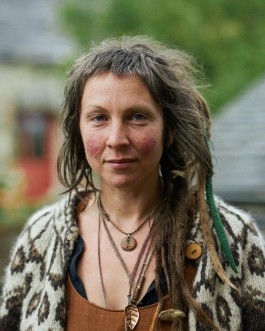
a generation has grown up watching the idea of owning a home recede out of reach, every year more people in britain are making the same quiet decision: to stop paying rent on a life that doesn't feel like their own, and to build something for themselves instead.
i spent two years amongst britain's off-grid communities — photographing the people i met, the houses they had built by hand, the food they had grown, and experiencing the kind of freedom you can only earn by walking away.
this is what i found.

I first became interested in off-grid living a few years ago while photographing people in the American desert. I’d spent months drifting through the Southwest, meeting people who had ended up there for all kinds of reasons. Some were escaping something. others were searching for something. What stayed was the thread that connected them all. A quiet rejection of the conventional world, and a stubborn belief that life could be lived differently.
When I came back to the UK Â I wondered if this same spirit had manifested itself in the same way and began my search.
I didn’t have to look far. House prices have been climbing for so long now that an entire generation has grown up watching the idea of home slowly disappear into the distance. And in response, there’s been a quiet exodus of people leaving the big cities, some finding cheap land where they can, and trying to build lives outside the life of mortgages, rent and the forty-hour week.
The people I met weren’t anti-society. If anything, they were trying to renegotiate their relationship with it. Some had simply been priced out and had nowhere else to go. Others had walked away from successful careers because, somewhere along the line, the life they were living had stopped making sense to them.
What surprised me most was how long this world had already existed beneath the surface. Some of the communities I visited had been quietly working the land for forty of fifty years -  some of them born out of the hippy movement of the 1960’s. For decades they existed in a grey area, often fighting planning laws or staying deliberately invisible. But more recently, particularly in Wales, policies like the One Planet Development framework have started to give these communities a legitimacy they were denied for years — provided they can prove the lives they’ve built are genuinely sustainable.

"I CAME HERE TO LIVE IN A WAY I KNEW I COULD BELIEVE IN"

the communities I visited were completely different from one another, but the people within them shared something unmistakable: a freethinking, deeply principled way of life. A real commitment — not just ideological, but daily and practical — to living in a way that placed community and the health of the environment above material possesions.
Everyone had their own story about how they ended up there, most of those stories seemed to circle around the same two desires: the chance to live somewhere beautiful that the conventional economy could no longer offer them, and the search for a more meaningful sense of community.
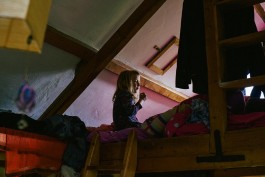
And that sense of community was real. Everyone knew each other. Everyone helped each other out. Children moved freely between homes as if the whole place belonged to them. It felt less like modern Britain and more like something older — something closer to a tribe than a suburb.
The other thing that kept striking me, in a way I hadn’t expected, was how conscious people were of their footprint — on the soil, on the water, on the landscape immediately around them. It’s easier to think carefully about waste when you can’t just drag a bin to the curb and forget about it. Easier to value food when most of it has travelled no further than the distance you walked to collect it. The people I met spoke about the planet less like an abstract cause and more like a neighbour they lived alongside.
These communities are still small, and some still look a little rough around the edges. But I don’t think the instinct behind them is going anywhere. The people I met weren’t trying to retreat from the modern world entirely. Most were simply trying to build lives that felt more connected — to the land around them, to the people beside them, and to the consequences of the way they lived.
And maybe that’s why these places feel important. Not because they offer a perfect blueprint for the future, but because they quietly suggest that another way of living is possible. Something slower, more communal, more conscious of the world around us. The future, if we’re lucky, may end up looking something like a compromise between the world these people have already built and the one the rest of us are still clinging to.

"abandon profit for something more beautiful"


"IT'S AGAINST THE LAW TO BE POOR IN THIS COUNTRY"

"as soon as i got here i knew i'd found my homeland"


"SMALL STEPS - IT'S VERY DIFFICULT TO TAKE THE LEAP"


"THE GREEN MOVEMENT WAS LAUGHED AT AS BEING TOTAL CRACKPOTS, 30 YEARS ON IT'S MAINSTREAM"


"TIPI'S HAVE A VERY STRONG MAGIC, YOU LIVE LIKE YOUR ANCESTORS DID FOR THOUSANDS OF YEARS"
"YOU'VE HEARD OF BIODEGRADABLE CARRIER BAGS, THIS IS A BIODEGRADABLE HOME"


"THE FIRST HOUSE I MADE COST 50 PENCE TO BUILD"

"WHEN I CAME HERE I BECAME PART OF NATURE- INSTEAD OF TRYING TO CONTROL IT"

"we are in many respects asleep"


"it's a matter of response of your spirit to the universe"


"NATURE HAS BECOME A SORT OF NOVEL EXHIBIT RATHER THAN THE BASIS FOR ALL THINGS"
"of course i'm sent by god! Aren't you?"